Wildlife in the Highlands: Where to Spot Deer, Eagles and Dolphins
Posted on 17-12-25By: Claire S. | 7 minute read

From misty glens to wide open moorland and sea lochs, the Scottish Highlands are a dream for wildlife lovers. Here, Scottish Highlands wildlife still thrives, with red deer roaming the hillsides, golden eagles riding the thermals above, and dolphins often seen cresting the waves along the coast.
Whether you prefer gentle walks, full day hikes, or long cycle rides on quiet country roads, wildlife spotting Scotland style means getting close to nature at your own pace. Join a local boat trip to look for dolphins and seabirds, keep your eyes peeled for deer at dawn and dusk, and listen for raptors calling high over the ridges.
With cosy cottages tucked into glens, perched above lochs, or set beside the sea, Highlands nature holidays make it easy to wake up, step outside, and feel part of the landscape. Your cottage becomes a relaxed, comfortable base between each day’s wild encounters.

Where to spot red deer in the Highlands
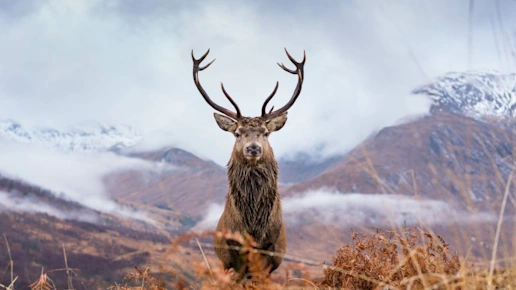
Red deer are one of the real icons of Scottish wildlife watching, and the Highlands are one of the best places in the world to see them in the wild. If you are wondering where to see red deer Scotland has plenty of spots, from quiet pine forests to dramatic, film worthy glens. Head out early or towards dusk for the best deer spotting Highlands wide, and keep binoculars handy so you can watch them without getting too close.
The Cairngorms National Park
The Cairngorms are prime red deer country, with a mix of forested hills, open glens, and high plateaus. Visit in autumn, when the rutting season is in full swing and the sound of stags roaring can echo across the landscape. Look for deer on the edges of woodland and along valley sides, especially at dawn and dusk. Several hiking routes, including long distance trails and shorter waymarked paths, pass through deer habitats, so you can combine a day’s walking with Scottish wildlife watching.
Glen Etive and Glencoe
For classic Highlands views and almost cinematic encounters, Glen Etive and Glencoe are hard to beat. Here, herds of red deer often graze close to the roadside, especially in quieter months. Pull into designated laybys, stay in your car or stand well back, and enjoy watching stags and hinds against towering peaks and sweeping moorland. Many walking routes in this area, including some featured on /hiking-scottish-highlands, offer good chances of spotting deer on the hillsides as you go.
Torridon and Wester Ross
On the north west coast, Torridon and Wester Ross feel wonderfully remote and peaceful. This is an excellent region for early morning sightings, with deer moving between higher ground and lower grazing. Look across open slopes and along the edges of sea lochs. As with all wildlife, watch quietly, keep dogs under close control, and never feed deer or try to attract them closer. Respectful distances help keep these wild herds healthy, and make each encounter feel even more special.

Where to see golden eagles in the Highlands
If you are wondering where to see golden eagles Scotland’s Highlands are one of the most rewarding places to look. These impressive raptors favour wide open spaces, rugged cliffs, and quiet glens, so birdwatching Highlands style often means heading for wilder corners and lifting your gaze to the sky. With a good pair of binoculars, a patient eye, and an early start, you stand a real chance of seeing eagles Scottish Highlands skies in all their glory.
Isle of Skye
The Isle of Skye is one of the best known places to see golden eagles in Scotland. High sea cliffs, remote glens, and craggy ridges provide ideal hunting and nesting grounds. Scan the skyline above dramatic spots like the Cuillin or the Trotternish Ridge, and watch for a large, dark bird gliding with steady, powerful wingbeats. Early mornings and calm, clear days are ideal. Local guides and birdwatching tours can help you find the best viewpoints and understand the behaviour you are seeing.
RSPB Glenborrodale, Ardnamurchan
On the Ardnamurchan peninsula, RSPB Glenborrodale is a well managed reserve that offers structured birdwatching Highlands visitors really appreciate. Waymarked trails and, at times, guided walks make it easier to learn where golden eagles are most often spotted. Use binoculars to scan ridges and open sky from viewing points, and take your time, since birds may circle high for long periods. Staff and local guides are a great source of up to date advice on recent sightings and other raptors in the area.
Cairngorm Mountains
The Cairngorm Mountains are another stronghold for golden eagles. Look for birds soaring over ridges, corries, and wide valleys, especially on fine, breezy days when thermals help them rise. Quiet laybys, high passes, and viewpoints reached on foot or by bike can all work well. It can be rewarding to combine your birdwatching with scenic rides featured on /scottish-highlands-cycling, using regular pauses to check the sky. Whichever area you choose, keep disturbance to a minimum, stay on paths where requested, and enjoy watching these magnificent birds on their own terms.

Where to spot dolphins in the Highlands
For unforgettable dolphin watching Scotland’s Highland coast is hard to beat. The sheltered waters of the Moray Firth are home to one of the most famous bottlenose dolphin populations in Europe, and there are several easy to reach viewpoints where you can watch them from shore. As you scan the waves for Moray Firth dolphins, keep an eye out for other Highland coast wildlife too, including seals, porpoises, and seabirds following the fish.
Chanonry Point, Moray Firth
Often described as Scotland’s best known dolphin hotspot, Chanonry Point is a superb place to see dolphins from land. Accessible by car, it sits on a narrow channel where tidal currents funnel fish, which in turn attract hungry dolphins. Time your visit for a couple of hours after low tide if possible, then watch for dorsal fins and splashes close to shore. It can get busy on fine days, so arrive early, give others space, and never attempt to touch or feed the dolphins.
Cromarty Firth
A little quieter than Chanonry, the Cromarty Firth offers a more peaceful dolphin watching experience. Several local operators run boat tours that give you a closer look at bottlenose dolphins, harbour porpoises, and, with luck, seals hauled out on skerries. Skippers know how to keep a respectful distance while still providing great views and photo opportunities. If you enjoy being on the water, you might like to combine a boat trip with your own paddling, using inspiration from /kayaking-swimming-highlands to plan your wider adventure.
The Black Isle and Fort George
The broader Black Isle coastline has many small bays and headlands that make excellent natural viewing platforms. Around Fort George and the shores opposite, dolphins often follow salmon runs, particularly in summer and early autumn. Bring binoculars so you can pick out distant fins, splashes, or a curved back breaking the surface. As with all Highland coast wildlife, watch quietly, keep to paths where requested, and avoid disturbing resting seals on nearby beaches or rocks. With patience, a calm sea, and a keen eye, you may be rewarded with some truly memorable encounters.

Other wildlife to look out for in the Highlands
Alongside red deer, eagles, and dolphins, there are many other Scottish Highlands animals to watch for on your wildlife holidays Scotland wide. Quiet lochs, rivers, and sea inlets are good places to look for otters, especially at dawn or dusk, with a telltale trail of bubbles or a sleek head breaking the surface. In wooded areas, pine martens sometimes visit garden feeding stations at night, while native red squirrels can be seen scampering through Scots pine, pausing to feed on cones.
Over lochs and estuaries, ospreys hunt for fish in spring and summer, hovering, then diving feet first in a dramatic splash. Around some coastal cliffs and islands, puffins, guillemots, and other seabirds nest in noisy colonies. By exploring different regions and habitats, from ancient forests to sea cliffs and sheltered bays, you will build a richer picture of Highlands wildlife and enjoy a truly varied nature filled escape.

Tips for responsible wildlife watching
Choosing responsible wildlife tourism Scotland wide helps keep the Highlands special for future visitors and local communities. Ethical wildlife watching is all about enjoying close encounters without putting animals under pressure.
Keep a respectful distance, use binoculars or a long lens, and let wildlife choose how close to come. If an animal changes its behaviour, moves away, or seems agitated, you are too near. Avoid loud voices, sudden movements, and never feed wild animals, since this can harm their health and change natural behaviour.
Follow local guidance, from signage on paths to advice from rangers, boat operators, and guides. Choose tours that clearly prioritise conservation, limit group sizes, and follow agreed codes of conduct.
Staying in self catering cottages gives you the flexibility to plan early starts, late finishes, and quiet visits to more remote spots. You can time your trips for when wildlife is most active, then return to a cosy base to relax and refuel.

FAQ about wildlife in the Scottish Highlands
When is the best time of year to see wildlife in the Highlands?
For Scottish Highlands wildlife, spring and autumn are especially rewarding, with active birds, deer, and marine life. Summer offers long days for exploring, while winter can bring quieter trails and chances to spot red deer and eagles against snowy hills.
Are there guided wildlife tours available?
Yes, many local operators offer guided trips focused on specific species, from eagles to dolphins. Guides share wildlife watching tips and help you keep visits responsible.
Can I see wildlife near major towns or only in remote areas?
You can enjoy Scottish Highlands wildlife, such as dolphins, seals, and birds, from accessible viewpoints near Inverness, Fort William, and coastal villages, as well as in remote glens. Even short walks from your cottage can reveal red squirrels, garden birds, and, with luck, pine martens at dusk.

From red deer on misty hills to dolphins cresting the Moray Firth, the Highlands are alive with unforgettable encounters. Scottish Highlands wildlife holidays invite you to slow down, explore forests, glens, and coastlines, and return each evening to the comfort of cottage holidays Scotland style at their very best today.
Book your Scottish Highlands wildlife holidays now and choose from cosy cottage holidays Scotland wide, close to forests, glens, and wildlife rich coastlines.